Woodpeckers, Doves & Other Land Birds
Red-cockaded Woodpecker
Dryobates borealis
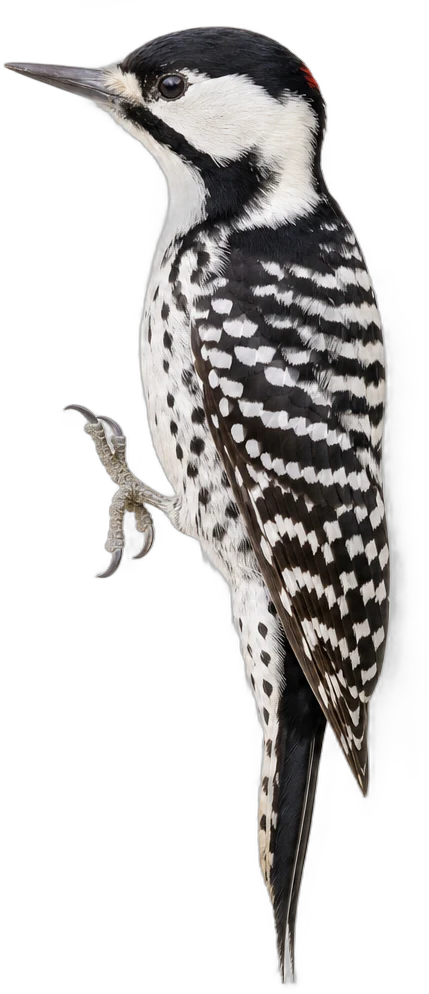
An endangered woodpecker found only in old pine forests of the Southeast. It is the only woodpecker that digs its nest holes in living pine trees, which ooze protective sap.
How to identify it
- Black-and-white barred back
- Large white cheek patch below a black cap
- Male has a tiny red streak behind the eye (rarely visible)
- Nest trees show sticky, white sap around the hole
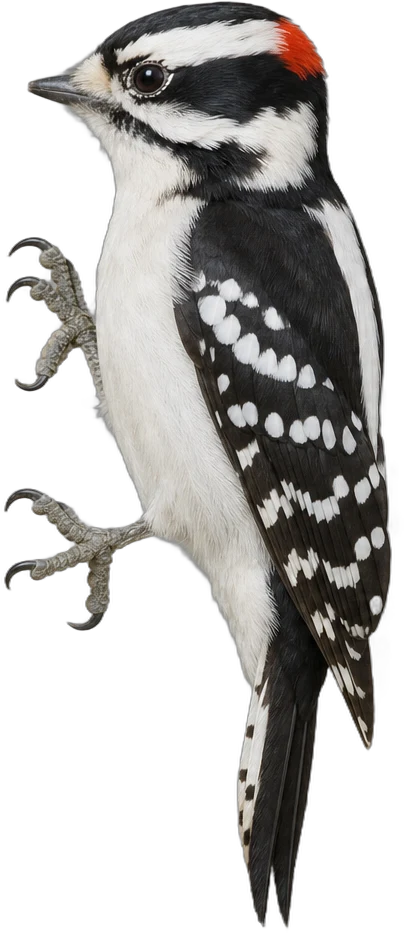
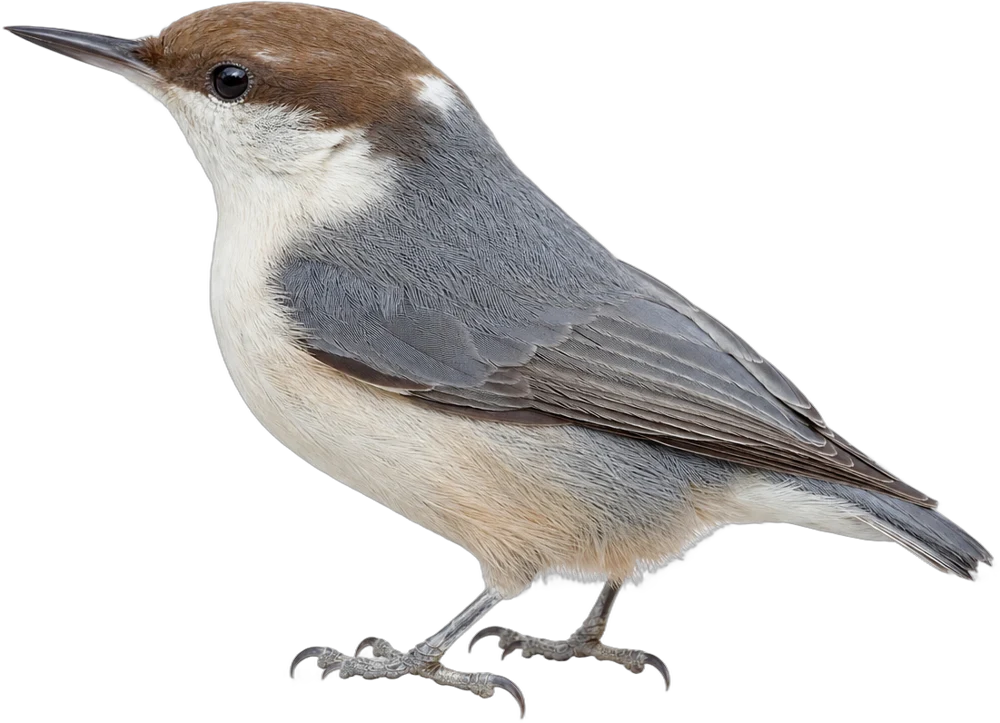
SizeAbout the size of an American Robin
Carolina Chickadee4 in
Song Sparrow6 in
Red-cockaded Woodpecker9 in
American Robin10 in
6 inAverage length, bill to tail
Details
- Size
- 8–9 in long; wingspan about 14–15 in
- Weight
- 1.5–1.8 oz
- Habitat
- Mature longleaf pine forests with open understory
- When to see it
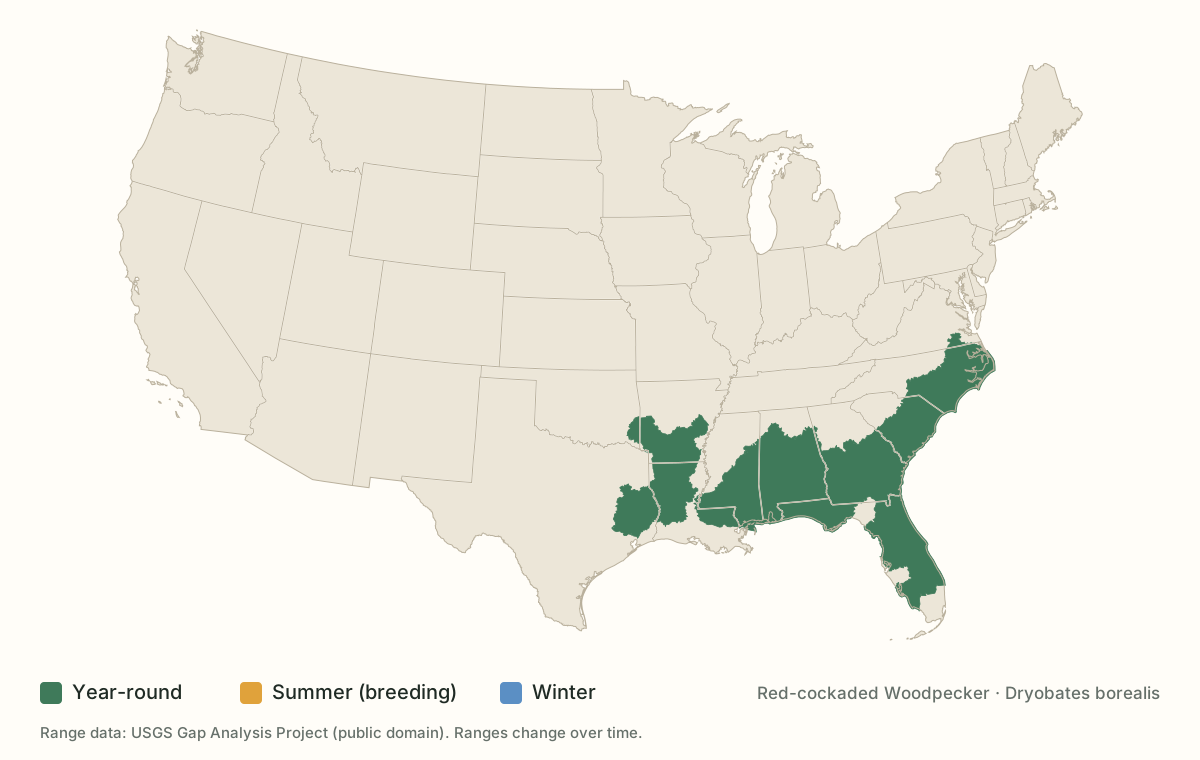
- Year-round in the Southeast, including the North Carolina Sandhills
- Diet
- Ants, beetles and other insects in pine bark
Range in the United States
Life history
Food
Flakes bark off pines to find ants, beetles, termites and other insects; also eats pine seeds.
Nesting
A cavity dug into a living, mature pine, taking months to years to complete.
- Clutch
- 2–4 eggs
- Incubation
- 10–11 days
- Young
- Fledge at about 26–29 days
- Broods
- 1 per year
Behavior
Lives in family groups where older offspring help raise new chicks.
Conservation
Federally listed as endangered; depends on mature longleaf pine forests kept open by fire.
Cool facts
- It drills small holes around its nest so sticky sap keeps snakes away.
- Its tiny red "cockade" is almost impossible to see in the field.
- Prescribed fires help keep its open pine forests healthy.
Songs & calls
▶Bird sounds video coming soon
Watch the Red-cockaded Woodpecker
▶Video coming soon