Wading Birds & Marsh Birds
Tricolored Heron
Egretta tricolor
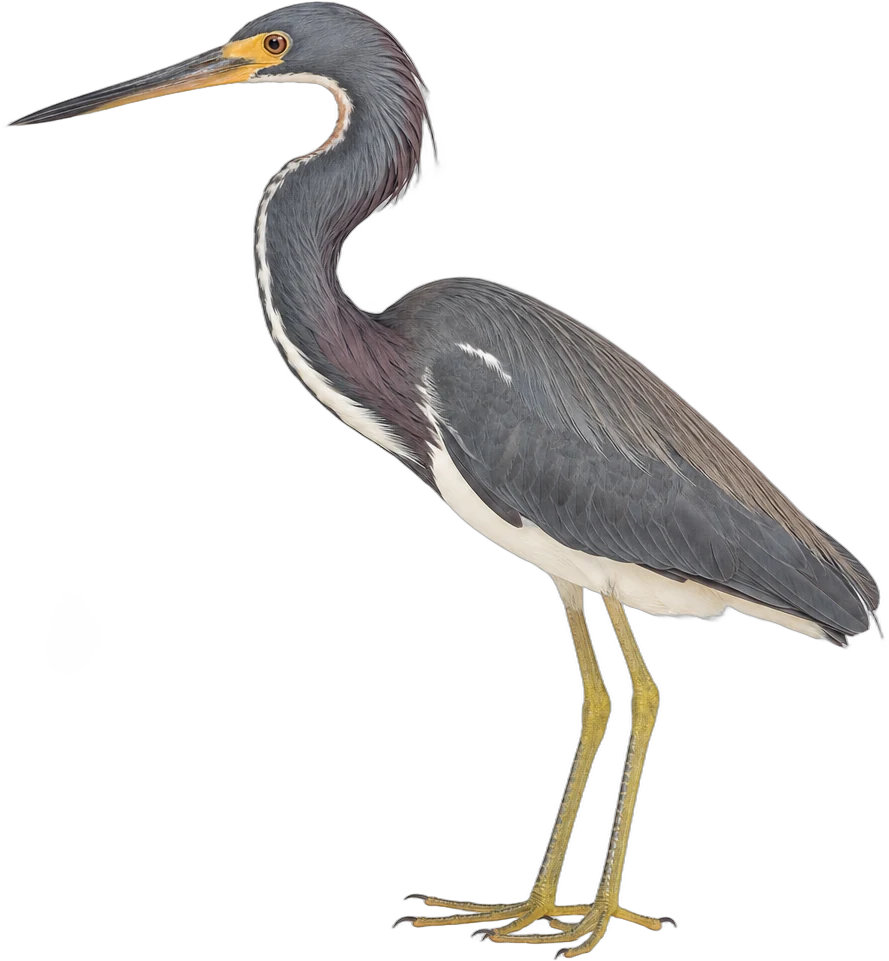
A slender, long-billed heron of southern coastal marshes. It is the only dark heron in North America with a clean white belly.
How to identify it
- Slate-blue back and neck with a white belly
- White stripe running down the front of the neck
- Very long, thin bill
- Often dashes after fish with wings half-raised
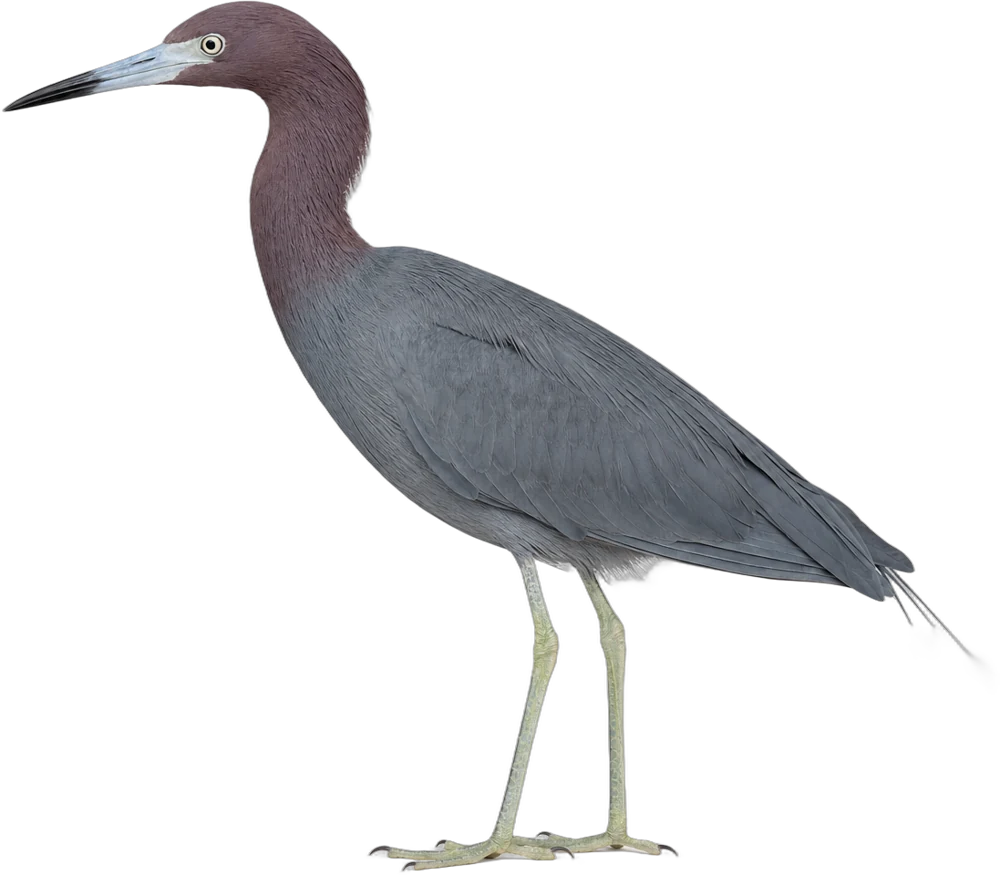
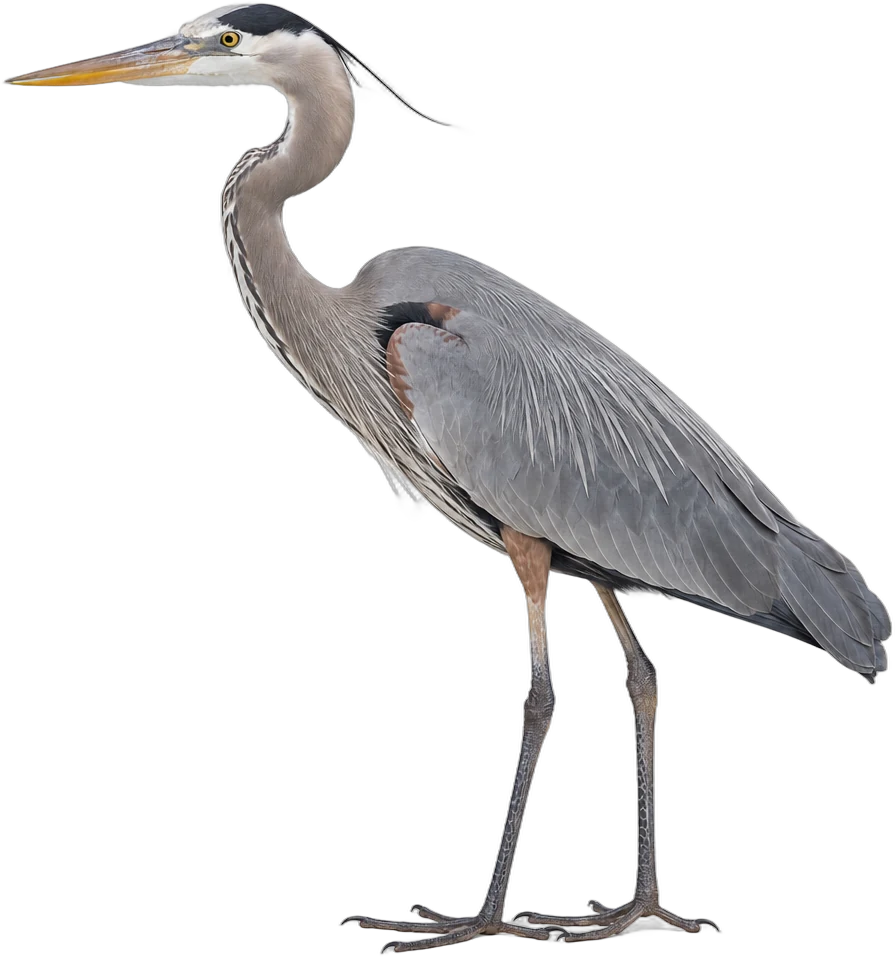
SizeBetween an American Crow and a Canada Goose
American Crow19 in
Tricolored Heron25 in
Canada Goose37 in
Great Blue Heron46 in
6 inAverage length, bill to tail
Details
- Size
- 22–28 in long; wingspan about 36 in
- Weight
- about 12–14 oz
- Habitat
- Salt marshes, mangroves, tidal creeks and coastal ponds
- When to see it
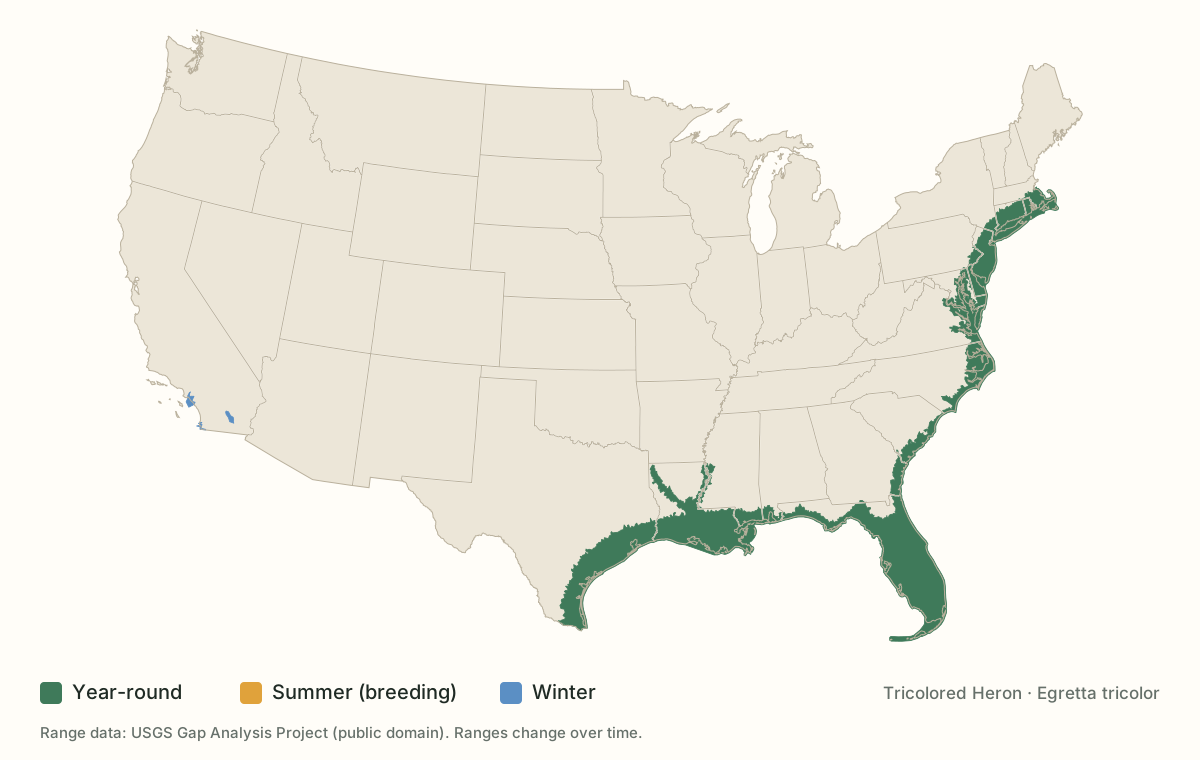
- Year-round along the Southeast and Gulf coasts; summer north along the Atlantic
- Diet
- Small fish, plus shrimp and crayfish
Range in the United States
Life history
Food
Hunts small fish in shallow water, often running and spreading its wings to shade the water or flush prey.
Nesting
A platform of sticks in shrubs or mangroves, in mixed colonies.
- Clutch
- 3–7 eggs
- Incubation
- 21–25 days
- Young
- Fledge at about 5 weeks
- Broods
- 1 per year
Behavior
A lively hunter that often feeds alone. Breeding adults get blue faces and long plumes.
Conservation
Has declined in parts of its range; depends on healthy coastal marshes.
Cool facts
- It was once called the Louisiana Heron.
- Its neck is longer relative to its body than most herons'.
- It sometimes stands on one leg and stirs the water with the other foot.
Songs & calls
▶Bird sounds video coming soon
Watch the Tricolored Heron
▶Video coming soon